There is no doubt that Antalya is the most beautiful place in the world!
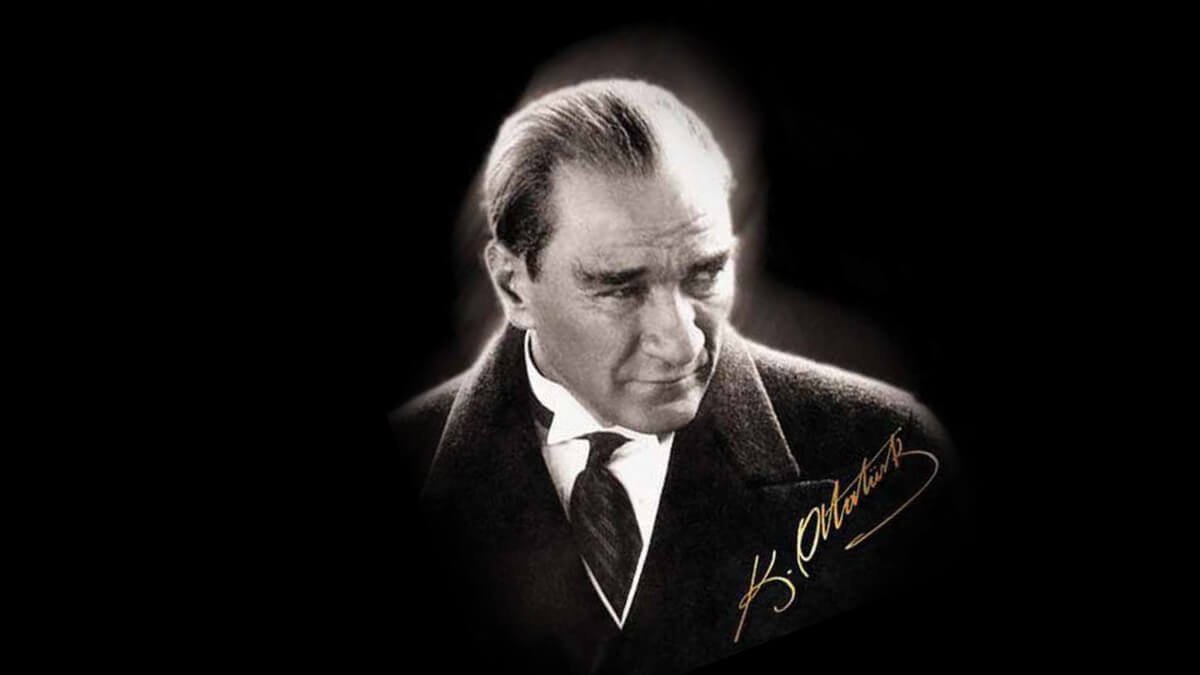
M.Kemal ATATURK

There is no doubt that Antalya is the most beautiful place in the world!
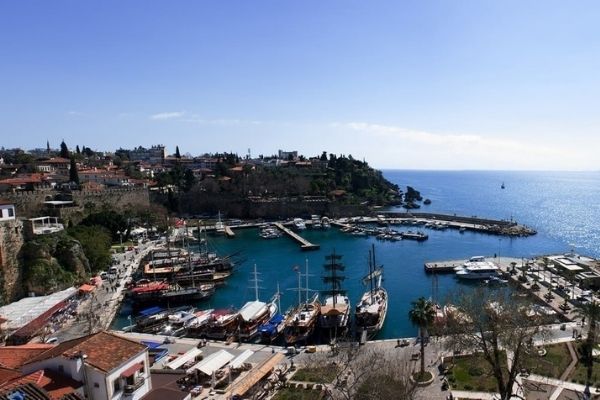
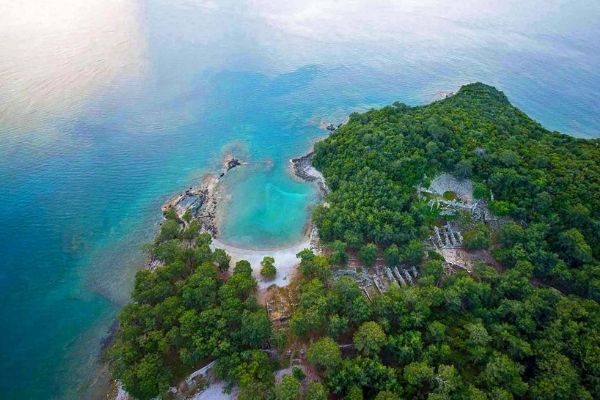
The first thing that comes to mind when mentioning Antalya is the sea, sand and sun. However, this is not all. The city is located in the south of the country, at the edge of a spacious fertile plain. This region was called Pamphylia in ancient times. Spread out in a picturesque bay surrounded by lush greenery of palm trees, oleanders and lemon trees. Reflecting in the azure-blue sea, Antalya is surrounded on three sides by the high ranges of the Taurus Mountains, whose snow-capped peaks seem to crown it with a regal crown.
Kaleici is a place where you can plunge into the atmosphere of the old world. There are many tourist attractions here. Well-restored and whitewashed red-roofed Turkish mansions lined the cobbled streets, now complemented by a host of boutique hotels, art galleries and restaurants.
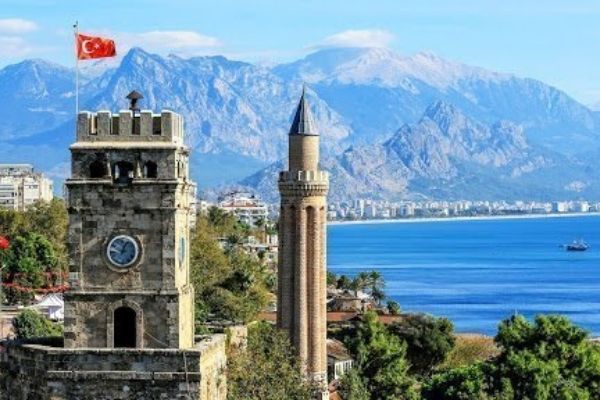
The main attraction and symbol of Antalya, built by the Seljuk sultan Ala-ad-din Kay-Qubad I (1219-1236). The minaret is a typical example of Seljuk architecture.
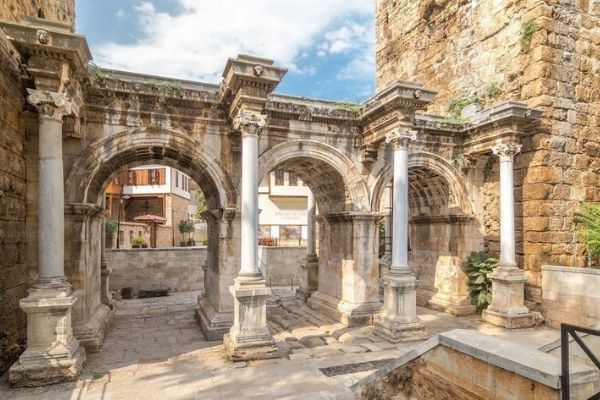
The most impressive entrance gate to the Kaleici area. The three-arch gate was built to commemorate the arrival of the Roman emperor Hadrian in 130 AD. The gate with three arches is covered with marble and decorated with sculptural compositions. There are two beautiful towers on either side of the gate.
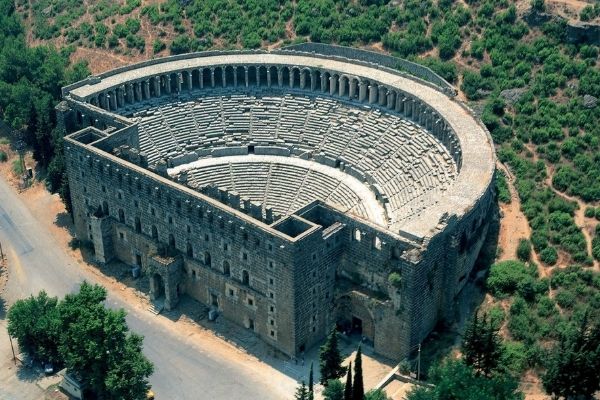
It is one of the richest cities in Pamphylia. Towering over the ruins of the ancient city of Aspendos, the Roman Theater is considered the best-preserved structure of its kind in the world and one of the most important tourist attractions in Turkey. The theater for 15,000 – 20,000 spectators has been completely restored. Today, the Aspendos Theater welcomes up to 20,000 people to festivals and events.
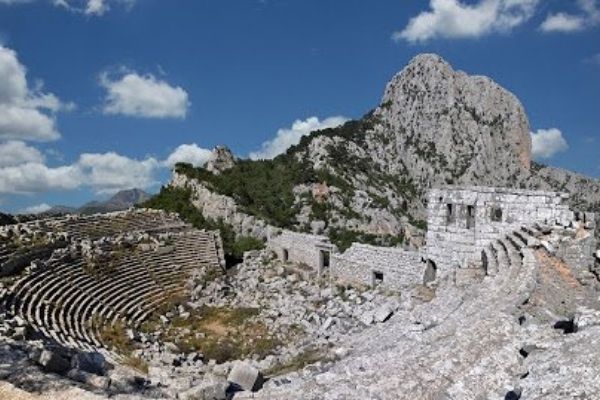
This city has a peculiar atmosphere. Neither the Greeks nor the Romans … managed to tame the warlike disposition of the Pisidians, the eagles defending their independence in the impregnable mountain stronghold of Termessos.
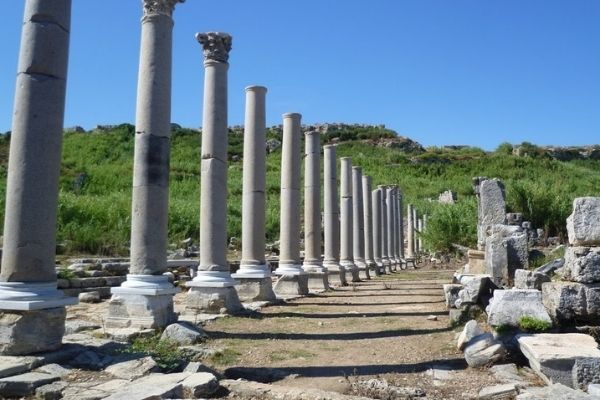
It has been an important city in the region since the 2nd century BC. up to the 5th century A.D. It is famous for its prime location on important trade routes. Saint Paul in 46 C.E. visited the city at the very beginning of his journey.
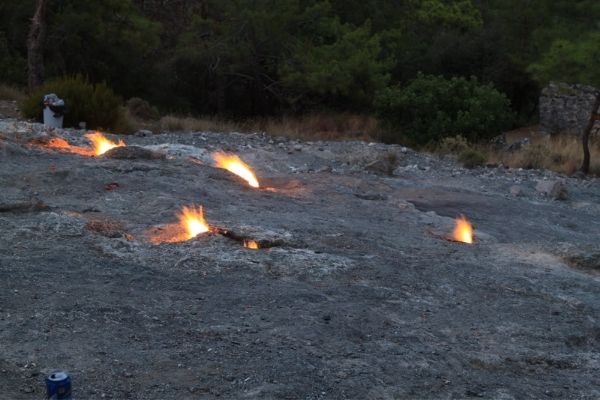
Near the villages of Olympos and Cirali are the ruins of the ancient Lycian city of Olympos. But not only ancient ruins are interesting here, but also Mount Chimera, on the slopes of which natural fire has been burning for many thousands of years.
The ancient Lycian port is the city where in 334 BC the troops of Alexander the Great were stationed in winter quarters. The ruins of the ancient city contain the ruins of a theater, an aqueduct, temples, streets with colonnades and the arched Hadrian’s gate.
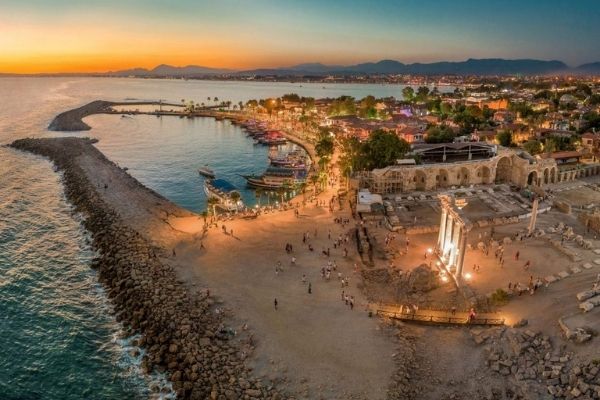
According to Strabo, Side was one of the oldest known Greek colonies in Anatolia, which was founded by immigrants from the Aeolian Cima in the 7th century BC. e. on the site of an older settlement. The word “Side” in the local Anatolian language meant “pomegranate” – philological studies have shown that this word has neither Greek nor Phoenician roots. The pomegranate was considered here a symbol of abundance.
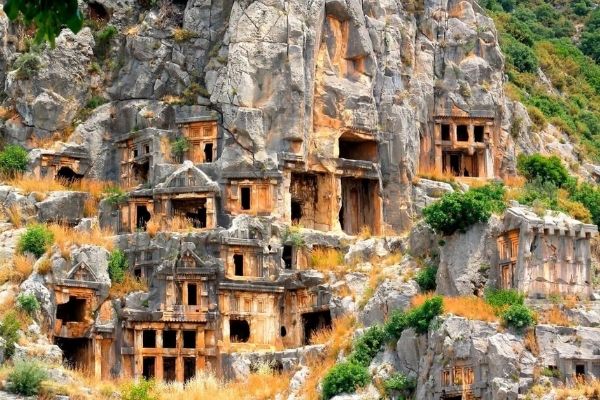
A city in the confederation of ancient Lycia, near the sea, on the Andrak River, at the mouth of which was the Andriake harbor. According to legend, in this harbor the Apostle Paul landed on the shore before his departure to Rome. The ruins of a Greco-Roman theater and tombs carved into the rocks have survived from the city. The uniqueness and originality of the tombs can be explained by the fact that the peoples of Lycia had a custom to bury the dead in high places, since it was assumed that this would help them get to heaven.
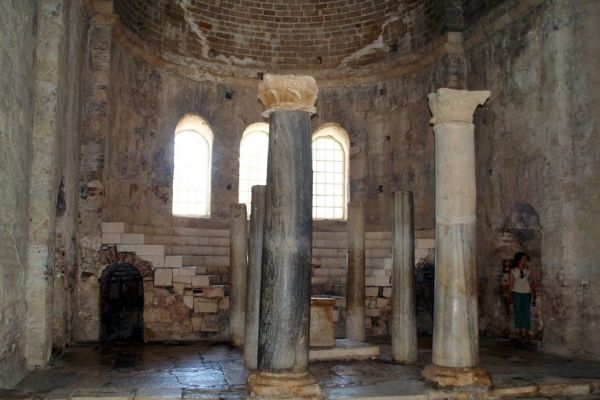
During the era of Christianity, Mir was able to retain its importance, since in 300 AD Nicholas of Patara, known in the Orthodox tradition as Saint Nicholas, Archbishop of Myra in Lycia, a miracle worker, after being trained in Xanthus, became Bishop of Myra, where he preached until his death in 343 year. He was buried in this church. Soon after the death of Nicholas, according to church tradition, several miraculous healings took place among the believers who came to venerate his relics, and Myra became a place of pilgrimage and holy faith. In the Western world, Saint Nicholas (Santa Claus) has come to be seen as the protector of children to whom he brings gifts on Christmas night.
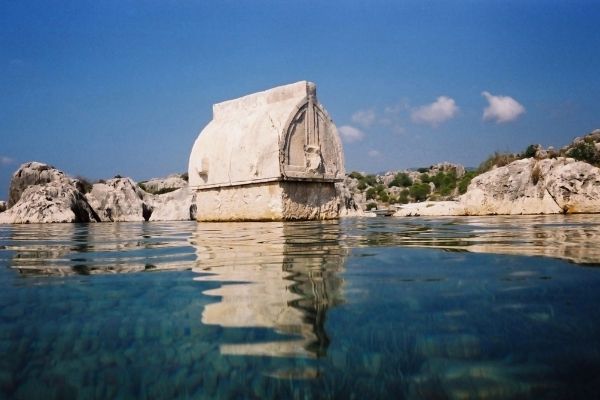
It is a sunken city on the southern coast of Turkey. Located next to the modern city of Demre. The city was founded by the Lycians a thousand years BC. In ancient times, Kekova was known as Dolihiste. Dolihiste sank in a strong earthquake in the 2nd century BC. The bottom sank several meters and the coast of the city sank under the water. This is how the island of Kekova appeared. Now, this sunken city is also called the island – Kekova.
Pottery of the region
When heading to Cappadocia, don’t think that the only thing that will stay in your memory and fill your memories will be limited to fairy chimneys, underground cities and vast valleys! When you see Avanos pottery, you will realize that the people of this region, who seem to be endowed with the wisdom of the past, are in fact artists descended from ancestors, fathers, in short, from genes. It will not even be enough to see, maybe you will pass the steering wheel, you will also want to try.
Handmade carpets
In the Avanos district of Nevsehir, famous for its handicrafts, carpet factories – shops frequented by tourists – offer a “living museum” service.
Visitors, accompanied by a guide, observe the production of silk by the craftsmen, the processes of dyeing roots and the work of women weaving carpets on a loom, and witness the adventures of making carpets that are woven from thread into loop.
Pearl of Cappadocia: onyx stone
The onyx stone, known as the lucky stone, is a type of semi-precious stone. This stone is actually gray and black with light stripes. This opaque stone is as bright as glass.
Onyx, which contains many minerals, is very impressive in terms of aesthetics because it can be worked with. For this reason, it has been used since ancient times in the manufacture of many home decorations and jewelry. Today, this type of stone is used especially in jewelry and rosaries.
During our tour, we will show you these beauties, and you will also have the opportunity to shop.
Please fill out the form below completely so we can serve you better!
Mardin
Sung in the enchanting songs of the peoples, the ruins of ancient cities, mosques, churches and monasteries. Higher Commonwealth of Religions: Muslims, Assyrians, Christians and Yezidis. Languages, religions, sects and religious freedom are here in Mardin. From the first revolution of the wheel of Mesopotamia, the cycle of life begins here. The whole world is amazed at his insatiable love, respect and patience.
Harran
Harran’s hive houses; Harran is one of the oldest cities in the world, where biblical events took place. Abraham lived here. Here, in Harran, he received a call from God, and at the age of 75 he went to the land of Canaan (Palestine). To this day, the local population in Harran lives in unusual windowless hive houses, the architecture of which has been preserved for 3000 years.
Mardin, the land of fairy tales
We will take you back in time, several centuries ago, because the city of Mardin is a true gem of history! You will find yourself on the streets that have perfectly preserved their historical charm .. Ancient Rome, Byzantium, the Ottoman Empire … many buildings have been preserved to this day. History is literally everywhere! And did you know that in 1960 UNESCO protected the whole city! Before Mardin, only Venice had such an honor!
The Black Rose of Halfeti
The symbol of the region is the Mysterious Black Rose, grown only in the Halfeti region, near the banks of the Euphrates River, and nowhere else in the world! The Black Rose, which only grows in Halfeti, is a legend known as the “Devil Rose”.
Rumkale fortress
A well-preserved Roman fortress and its buildings of the late Roman and medieval period. Located on the right bank of the Euphrates River.
One hour promenade along the Euphrates River
1-hour boat trip along the Euphrates River. Inspection of the sunken city of Halfeti. You have never seen anything like this! A modern city under water! Houses, schools, a mosque … Part of the city was flooded due to the construction of a dam in 1999.
Archaeological Museum
Hatay is the city of mosaics! Thousands of mosaics have already been found in its surroundings, and how many more can be found! Any excavation work is strictly prohibited here, except for archaeological works, the area is under the protection of UNESCO. Therefore, of course, we will visit the unique and world famous, the second largest mosaic museum in the world.
Hotel Museum Antakya
During the construction of the hotel, ancient excavations and mosaics were found. Therefore, today the hotel building looks like hovering over the ancient ruins.
Church of St. Peter
One of the oldest and main shrines of Christianity, the world’s first cave church where the Apostle Peter read his sermons is located in the rock of Mount Starius and is 13 m deep, 9.5 m wide and 7 m high.
Tunnel of Titus Vespasian / Besikli Cave
A real miracle of ancient engineering, located on the outskirts of the small Turkish town of Samandag. Roman building, 1st century BC We will also visit the Necropolis carved into the rock. Beshikli cave and ancient tombs carved into the rock – Unusual antique place, 1st century BC
Departure from Istanbul Arrival in Hatay
Where the Mediterranean Sea bids farewell to Anatolia, your gaze will have a beautiful view – this is the city of tolerance Hatay, a city with a thousand-year history … One of the oldest settlements in the world, where from century to century all religions and cultures live together in peace and quiet, forming their a unique mosaic of cultures. It is one of the most outstanding cities in the world, which has survived great eras, wars, religions … and witnessed many events.
Historic Cendere Bridge
The historic bridge, located on the Cendere stream in Adiyaman, is known as one of the oldest bridges in the world that is still in use today. It is located 55 km from Adiyaman in an ancient settlement known today as Eskikale. It connects Kakhta and Sinchik. It is the second largest arch bridge built by the Romans. Its length is 120 m, width is 7 m. It consists of 92 stones, each weighing 10 tons.
Meeting the Sunrise on Mount Nemrut
An extraordinarily magical place! The sanctuary on Mount Nemrut is the Tomb of Antiochus I of Commagene, which is listed as a UNESCO World Heritage Site. The mountain is located in southeastern Turkey in the Taurus Mountains. Height is 2150 meters above sea level.
Halfeti – One hour promenade along the Euphrates River.
1-hour boat trip along the Euphrates River. Inspection of the sunken city of Halfeti. You have never seen anything like this! A modern city under water! Houses, schools, a mosque … Part of the city was flooded due to the construction of a dam in 1999.
Rumkale Fortress
A well-preserved Roman fortress and its buildings of the late Roman and medieval period. Located on the right bank of the Euphrates River.
The Black Rose of Halfeti
The symbol of the region is the Mysterious Black Rose, grown only in the Halfeti region, near the banks of the Euphrates River, and nowhere else in the world! The Black Rose, which only grows in Halfeti, is a legend known as the “Devil Rose”.
Kaymakli underground city
Cappadocia, where every time you can discover a completely new beauty, where the first visit is not always the only one, arouses great curiosity for its underground cities, the number of which exceeds a hundred and represents the most mysterious story accompanying the life of past times
Goreme National Park
Goreme – The park is a rocky, water and wind-washed landscape with a network of ancient interconnected underground settlements.
Devrent Valley
Devrent Valley, located in Avanos region, is also part of the time that touched Cappadocia like a magic wand, like a fairy tale portrait. Since each fairy chimney in the valley looks like it was once alive but turned into stone, it has become known as the “Imaginary Valley” or the “Pink Valley”, perhaps because of the color of its rocks at sunset.
Pigeon Valley
Pigeon Valley, one of the most beautiful places in Cappadocia, has been hosting all its guests for years with its fascinating view and the famous sunset witnessed from Uçhisar Castle. This wide valley between Uçhisar and Göreme really gets its name from the pigeons. According to the rumor, pigeon manure is very useful in grape breeding, which attracted the attention of the people living here with the pigeon breeding that started in the 9th century. For this reason, the nests carved from the rock, which still stand out today, are formed by the agricultural workers choosing the valley instead of the houses in order to increase their productivity.
Lovers Hill
Lovers’ Hill is one of the places to see the light and shadows of Cappadocia, like lace at sunrise, and share this visual feast. The most beautiful photographs of Cappadocia are taken here.
Tahmis Coffee House
Authentic Oriental Coffee Shop Tahmis 1635 This coffee shop is called the highlight of the city, and its signature drink is coffee made from roasted wild pistachios.
Almaci Bazaar
Oriental market for spices, local products and souvenirs (Apple Bazaar), known as the oldest bazaar in Gaziantep. Almaci Bazaar will charm you with Gaziantep walnut sausages on the shelves, fruit pulp made from carefully selected Antep pistachios, dried vegetables hanging from the ceiling, delicious teas, the famous Gaziantep Menengich coffee and a variety of spices distributed in the bazaar.
Coppersmith Bazaar
This oriental market is one of the five largest historical bazaars in Turkey. An unforgettable flavor, a mixture of modernity and history. The copper business, which has over 500 years of history in Gaziantep, continues today and is still produced by copper craftsmen. The bazaar, where traditional copper products continue, will captivate you with beautiful hand-made embroidery. Bakırcılar is a bazaar where you can feel the historical texture with its deep history and fun craftsmen. The bazaar, which is the oldest shopping area in the city, is currently attracting the attention of tourists.
Zeugma Mosaic Museum
The covered part of the museum covers an area of 25,000 square meters, the open area – 30,000. Its size is comparable to the Bardo National Museum in Tunisia, the largest mosaic museum in the world. The museum contains many exhibits from the Roman era. But the main symbol of the museum is a fragment of one of the mosaics – a gypsy girl. The girl’s eyes are positioned in such a way that it seems as if they are looking at each viewer.
Gaziantep
Gaziantep, the largest city in Southeast Anatolia, is a wealthy metropolis with a population of almost 2 million. As one of the oldest settlements in Anatolia, the city has been home to many civilizations and has retained its importance in every period of its rich history. The city’s location at the intersection of Mesopotamia and the Mediterranean has made it a center where different civilizations, cultures and religions meet. The Silk Road made it an important cultural and commercial center.
Balikligol (Fish lake)
Pond with sacred carps Balikligol – the Sacred Pond, which is associated with the legend of the prophet Abraham. Located in the courtyard of an old mosque of the 12th century.
Gobeklitepe
Göbekli Tepe. Temple complex 10,000 BC A unique find by archaeologists in 1994 – the oldest temple in the world, which was named “Turkish Stonehenge”. Although Göbekli Tepe is older than Stonehenge by as much as 7000 years (!), And also older than the Egyptian pyramids and all other traces of ancient civilizations found on the planet!
Sanliurfa city
A city with a very rich history, this area played an important role in the formation of Christianity and the Crusades. The Sanliurfa area has an extremely rich ancient history. Some scholars suggest that Adam and Eve lived nearby in Gobekli Tepe. According to both Jewish and Muslim traditions, Urfa is considered the birthplace of the prophet Abraham. The area is also closely associated with the prophet Job (in Arabic Eyub). But it is not only the major religions that worship this city. Armenians consider it a sacred city – according to them, the Armenian alphabet was created here. Urfa is a city that was conquered and dominated by several civilizations, including Sumerians, Babylonians, Hittites, Armenians, Assyrians, Persians, Macedonians, Romans, Sassanids, Byzantines and Crusaders.
Kasimiye Madrasah
Kasimiye Madrasah XIII – XIV century – A very popular religious Islamic school, the institution worked for almost 500 years until 1924. The architecture of the buildings is perfectly preserved. The main attractions are the Sufi Fountain, symbolizing the flow of human life from birth to death and after death, as well as an impressive doorway with surprisingly intricate stone carvings. Once on the roof, you will admire the beautiful panoramic views of the city.
Guest House(Konukevi)
The most famous attraction in Midyat. The stone guesthouse of the governor, who occupied the highest point of the old city. Konukevi was filmed in the popular TV series “The Power”, which is why access here was closed for many years
Old town Midyat
Wander the streets of this ancient city and marvel at its beautiful oriental architecture, where stately golden houses with carved windows and doors rise above the high walls. The city of Midyat itself is mentioned in history as early as the 8th century BC, when it was taken by the Assyrian king, but for centuries it repeatedly passed from hand to hand. Persians, Greeks, Romans, Arabs, Mongols and many other conquerors managed to visit here.
Mor Gabriel Monastery
It was founded in 397 by Syrian Orthodox monks. Since that time, it has been operating without interruption, receiving up to 20 thousand pilgrims every year
The ancient city of Dara
The ancient city of Dara VI century – Early Byzantine city of Dara, was founded only 30 years after the fall of ancient Rome and has become one of the most popular tourist destinations in recent years.
Deyuril Zafaran monastery
Deyuril Zafaran Monastery (Saffron Monastery) V century – It is famous not only for its rich history, but also for its caves in the rocks, carved out by monks, as well as for its unique stone ceiling without a bonding composition – the slabs are tilted and have held each other for almost one and a half thousand years.
Arrival in Mardin
Sung in the enchanting songs of the peoples, the ruins of ancient cities, mosques, churches and monasteries. Higher Commonwealth of Religions: Muslims, Assyrians, Christians and Yezidis. Languages, religions, sects and religious freedom are here in Mardin. From the first revolution of the wheel of Mesopotamia, the cycle of life begins here. The whole world is amazed at his insatiable love, respect and patience.
Mardin, the land of fairy tales…
We will take you back in time, several centuries ago, because the city of Mardin is a true gem of history! You will find yourself on the streets that have perfectly preserved their historical charm .. Ancient Rome, Byzantium, the Ottoman Empire … many buildings have been preserved to this day. History is literally everywhere! And did you know that in 1960 UNESCO protected the whole city! Before Mardin, only Venice had such an honor!
Historical Sightseeing
Obelisk, Knitted Column and Serpent Column – On the spine of the spina wall, the hippodrome, today stands the Obelisk, the Knitted Column and the Serpent Column. The Obelisk was brought from Egypt, and the Serpent Column was brought from the Temple of Apollo in Delphi. In fact, there were many more artifacts here: works of pagan and Christian beliefs, statues of legendary racers, monuments of emperors, etc.
The hippodrome was originally decorated with bronze, bronze and copper sculptures brought from many places such as Rome, Greece, Aegean Islands, Egypt, but almost all of the works were destroyed during the 57-year Latin occupation. The works were either sold, sent elsewhere, or melted down and used for other purposes.
Hagia Sophia or officially known as Hagia Sophia-i Kebîr Mosque-i Şerîfi, formerly known as Hagia Sophia Church, is a mosque, old basilica, cathedral and museum in Istanbul. It is a basilica planned patriarchal cathedral built by the Byzantine Emperor Justinian I in the old city center of Istanbul between 532-537, and was converted into a mosque by Fatih Sultan Mehmed after the conquest of Istanbul by the Ottomans in 1453. It was converted into a museum with the Decree of the Council of Ministers published in 1934, excavation and renovation works were started and it served as a museum between 1935-2020. In 2020, after the cancellation of the museum status, it gained the status of a mosque again.
The Sultan Ahmet Mosque was built by the Architect Sedefkar Mehmed Ağa on the historical peninsula in Istanbul by the Ottoman Sultan Ahmed I between 1609 and 1617. The mosque is called the “Blue Mosque” by Europeans because it is decorated with blue, green and white Iznik tiles, and because its half domes and the inside of the big dome are also decorated with hand-drawn works predominantly in blue.