Land of tolerance
Mesopotamia
Land of tolerance Mesopotamia
Our beautiful country is full of historical and natural beauties to visit. Almost every region has its own architectural beauties and artifacts.
Let’s visit this land of tolerance together.
Land of tolerance Mesopotamia ; Click to watch the video.
- Arrival in Istanbul – Airport İST
- Transfer and check-in at the hotel.
- Free time or, if you wish, you can visit an excursion of your choice.
- Lodging in Istanbul
- Breakfast in the hotel
- Moving to Gaziantep
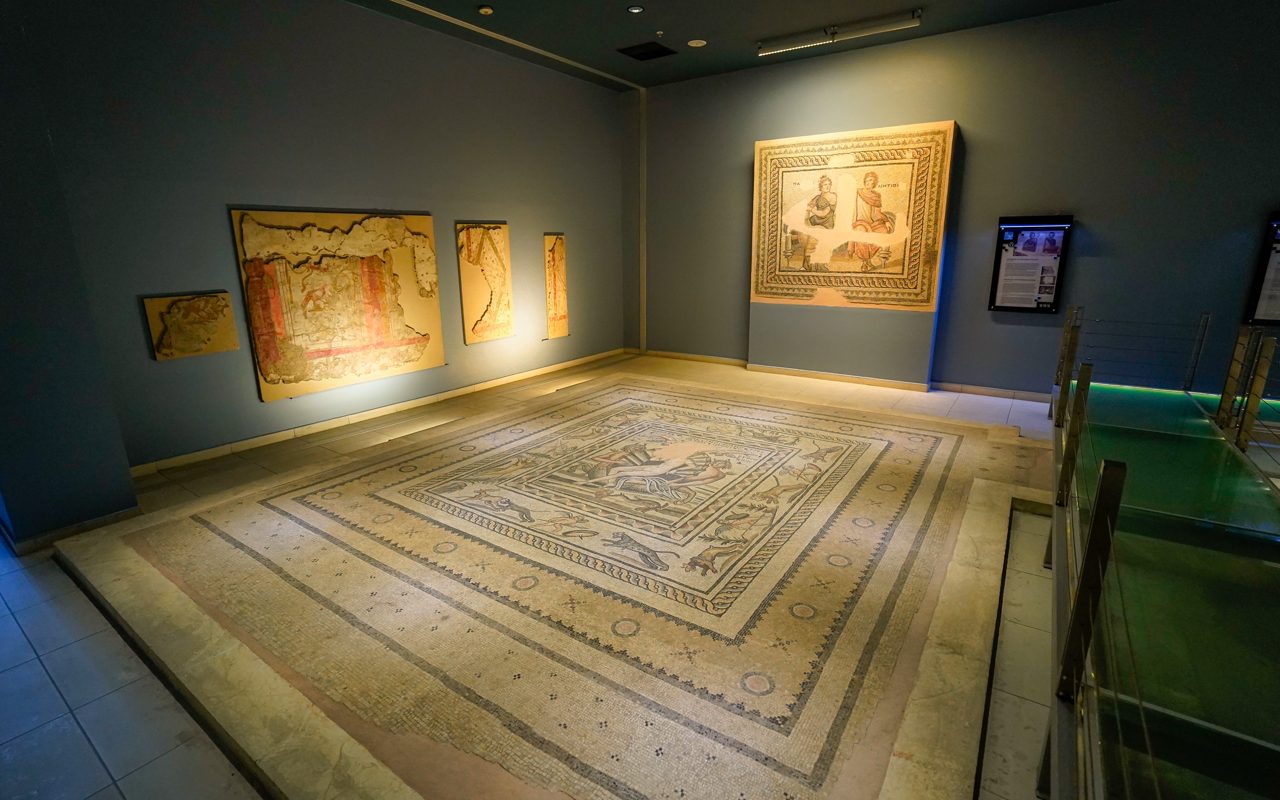
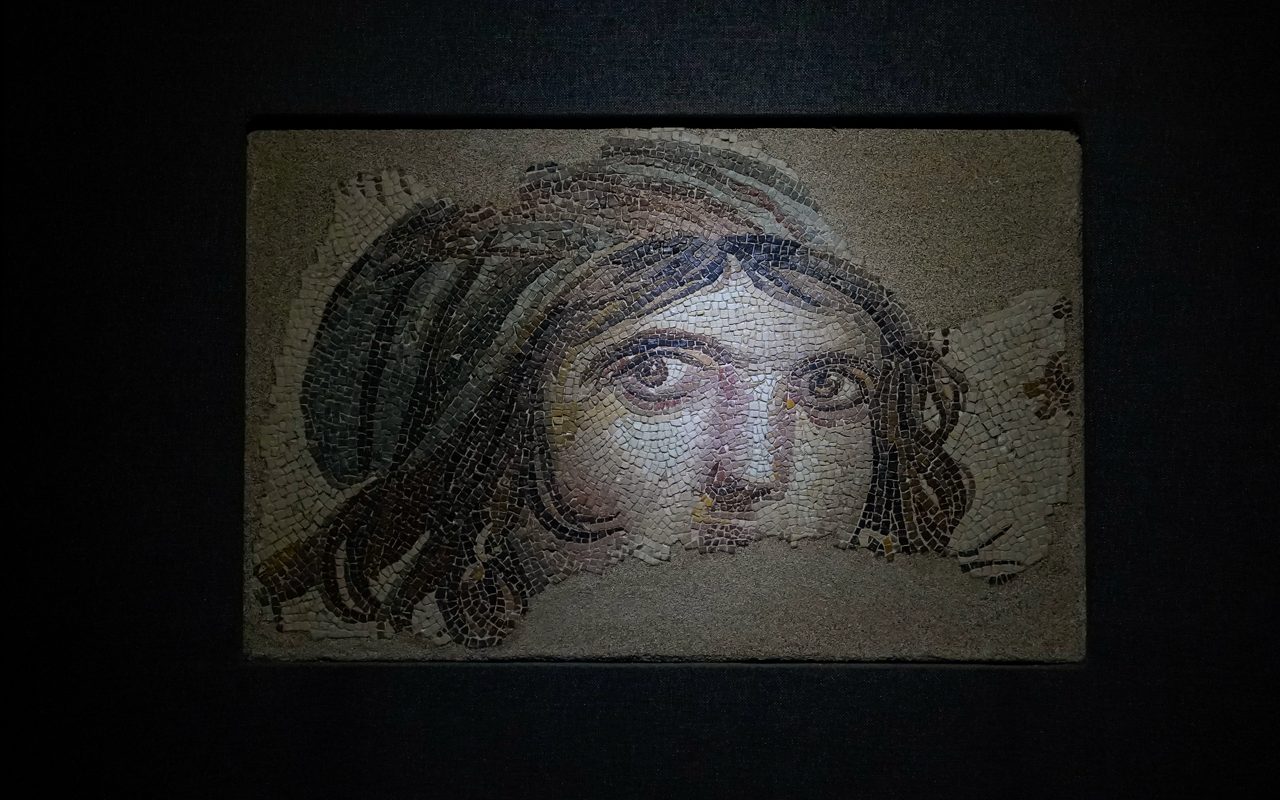
- Zeugma Mosaic Museum
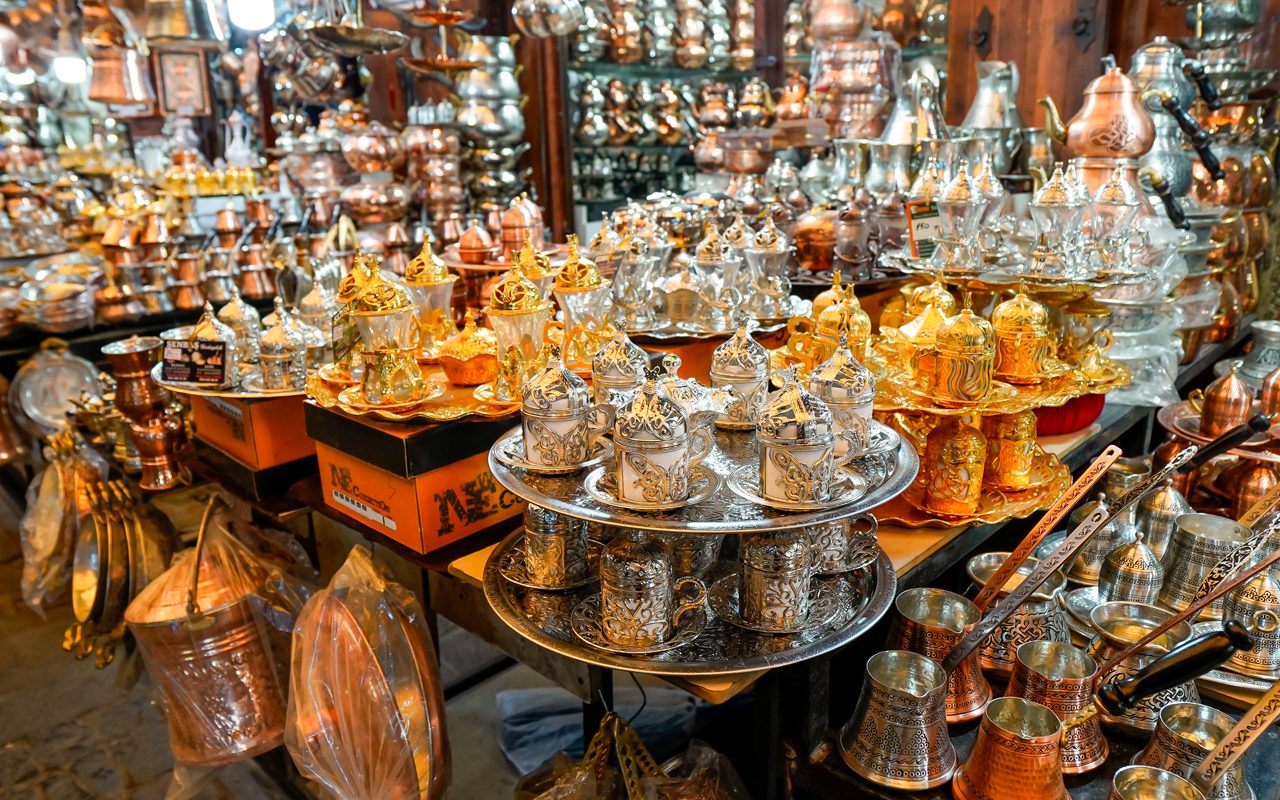
- Coppersmith Market (Bakircilar)
- Almaji Bazaar
- Tahmis coffee house
- Lodging in Gaziantep. Video
- Breakfast in the hotel
- Moving to Adiyaman / Nemrut
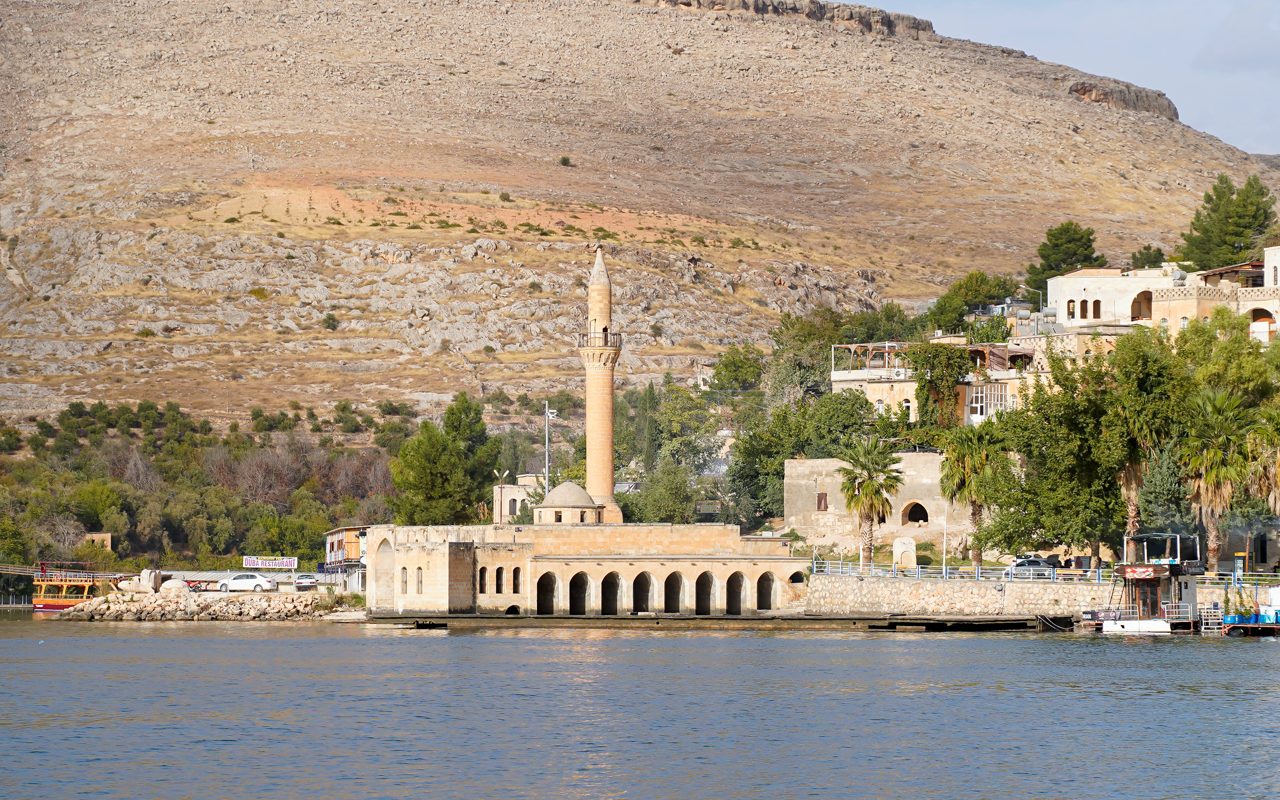
- One hour promenade along the Euphrates River. Video
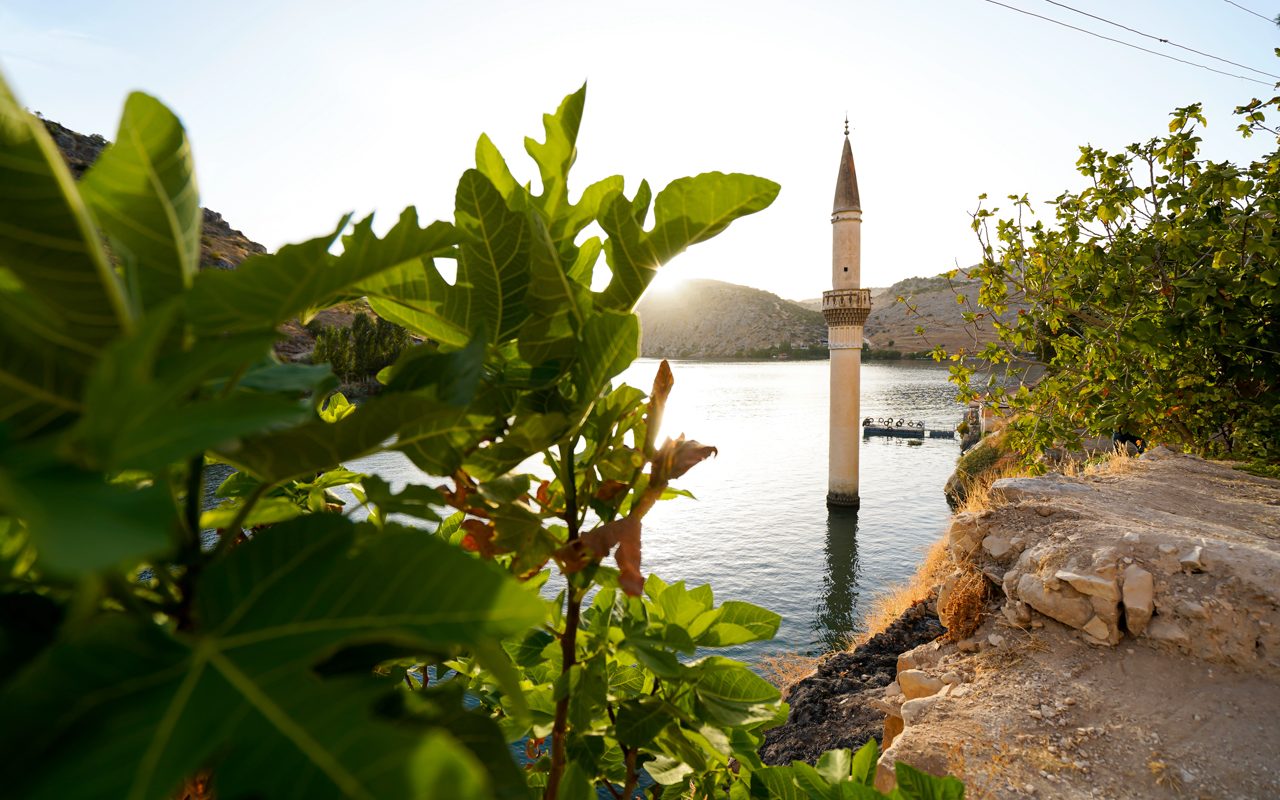
- Rumkale fortress
- The Black Rose of Halfeti
- Lodging in Adiyaman / Nemrut. Video
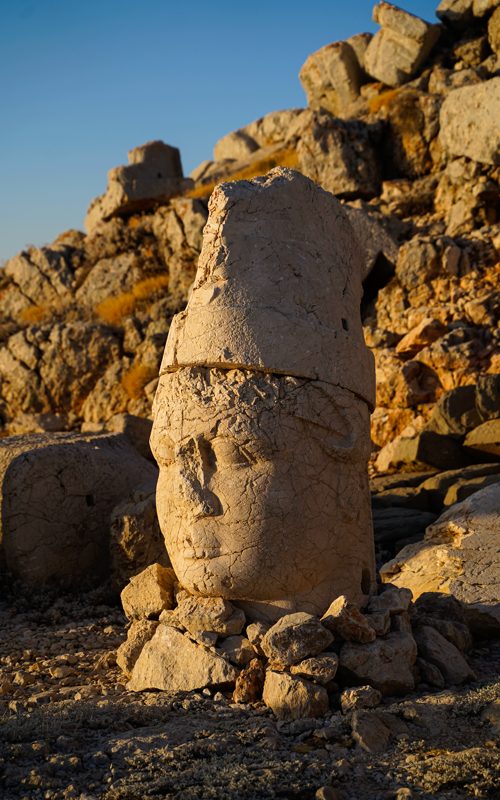
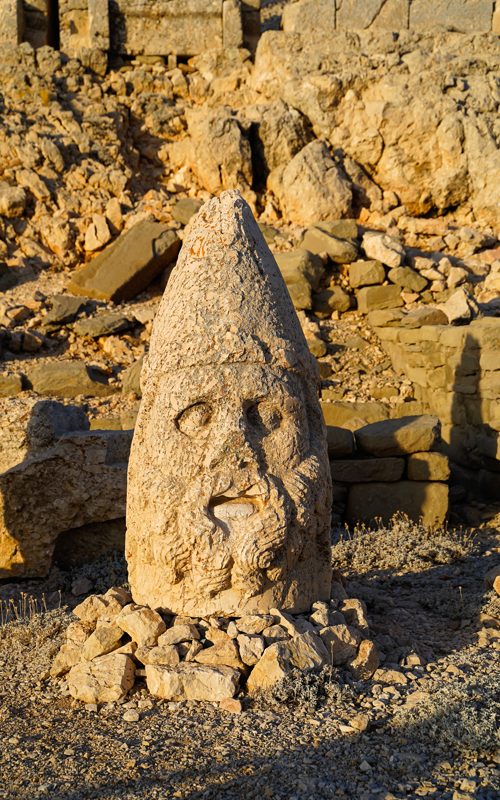
- Meeting the Sunrise on Mount Nemrut
- Breakfast at the hotel
- Historic Cendere Bridge
- Moving to the City of Sanliurfa
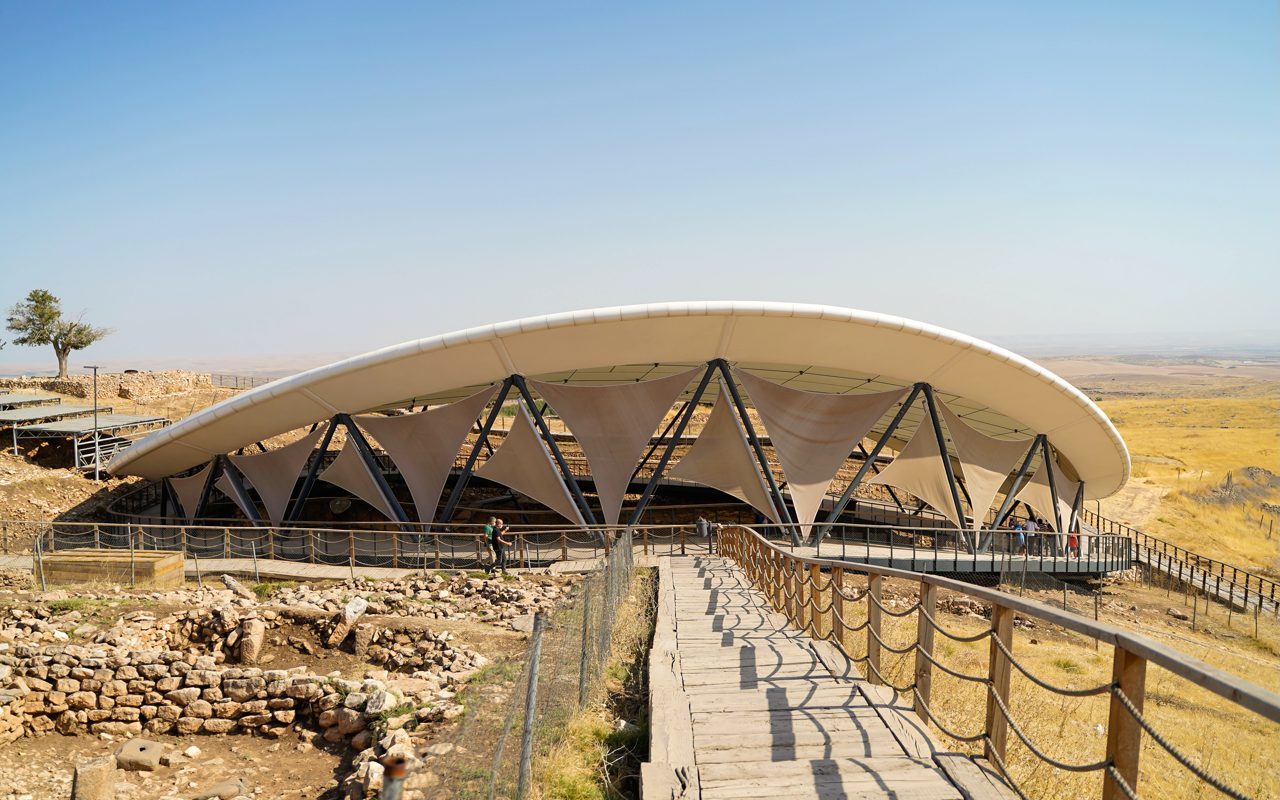
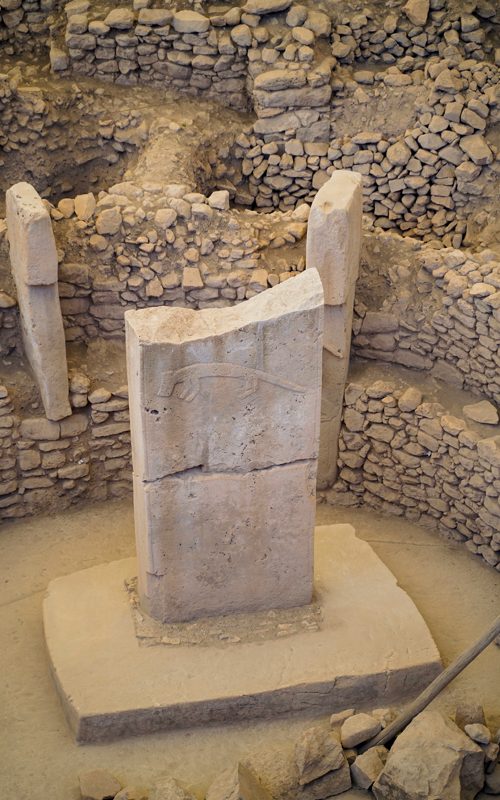
- Göbekli Tepe. Temple complex
- Sanliurfa City
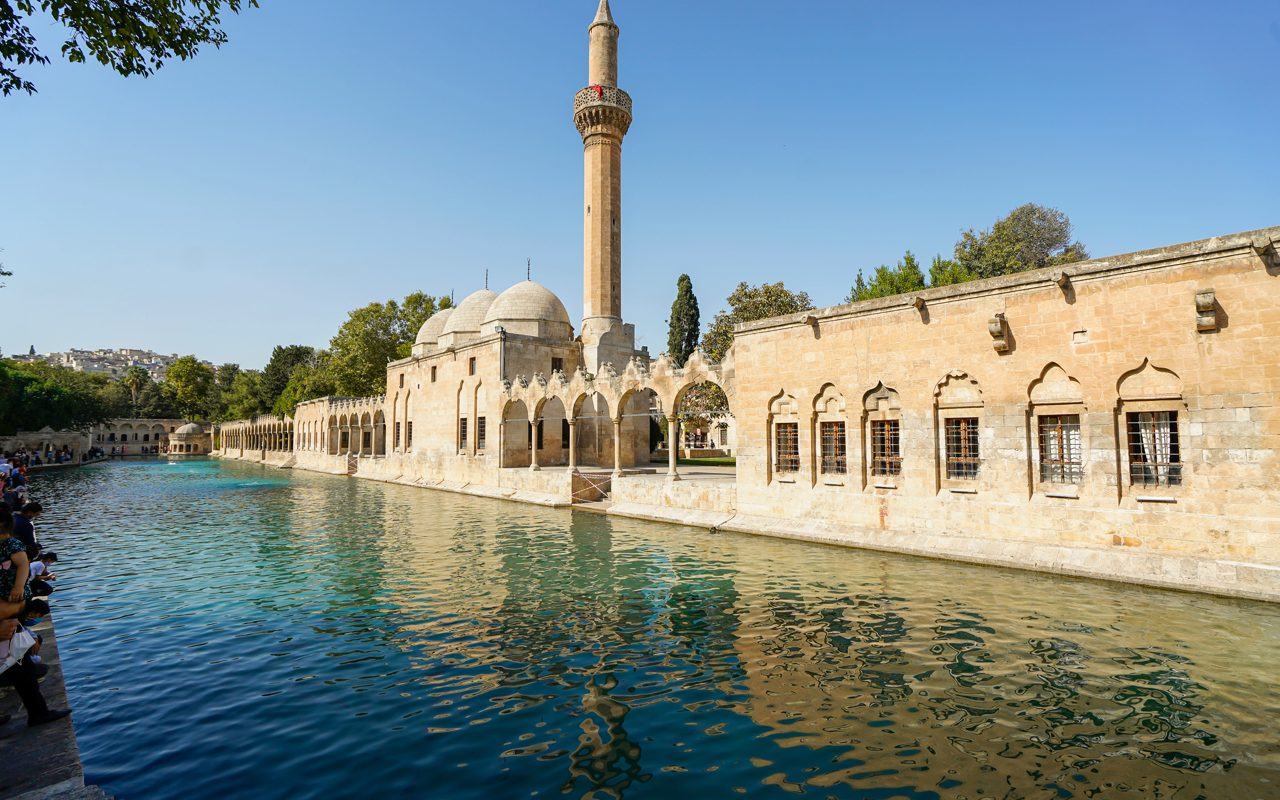
- Balikligol sacred carp pond
- Lodging in Sanliurfa Town. Video
- Breakfast in the hotel
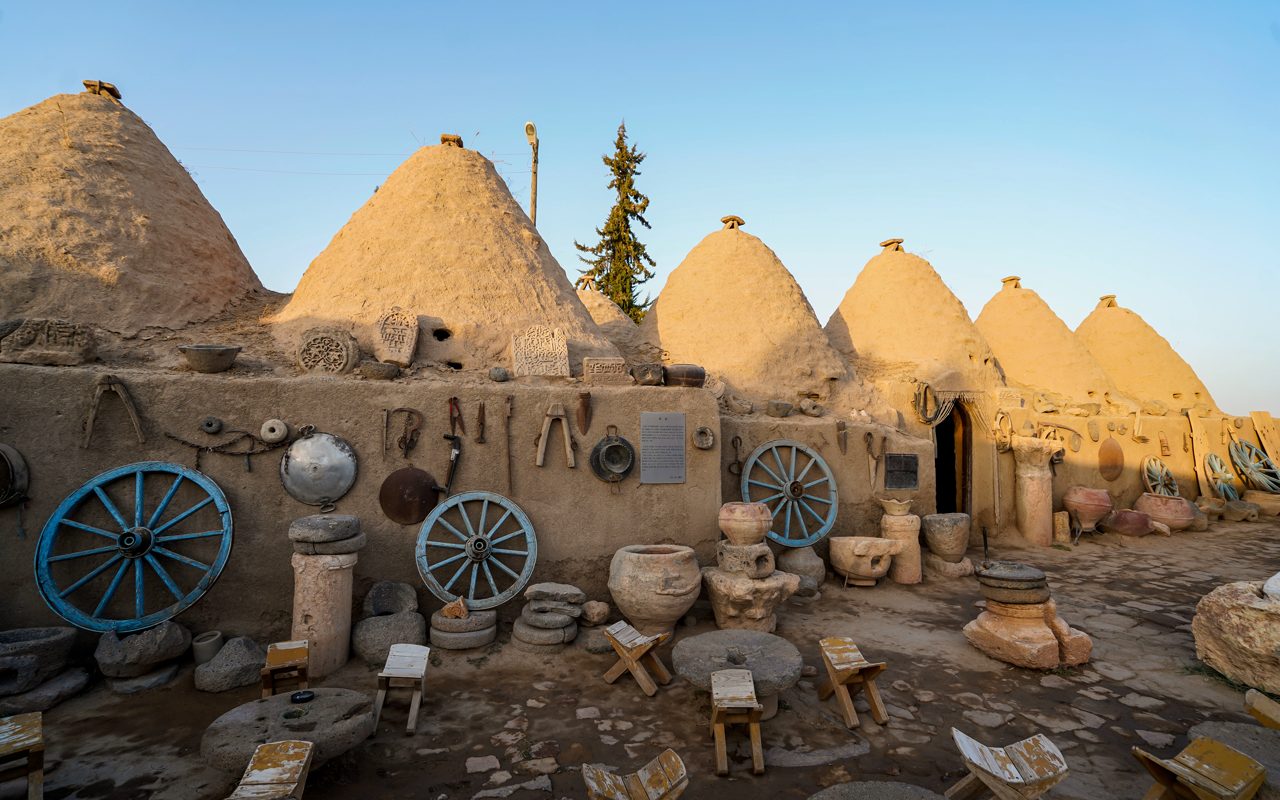
- Harran
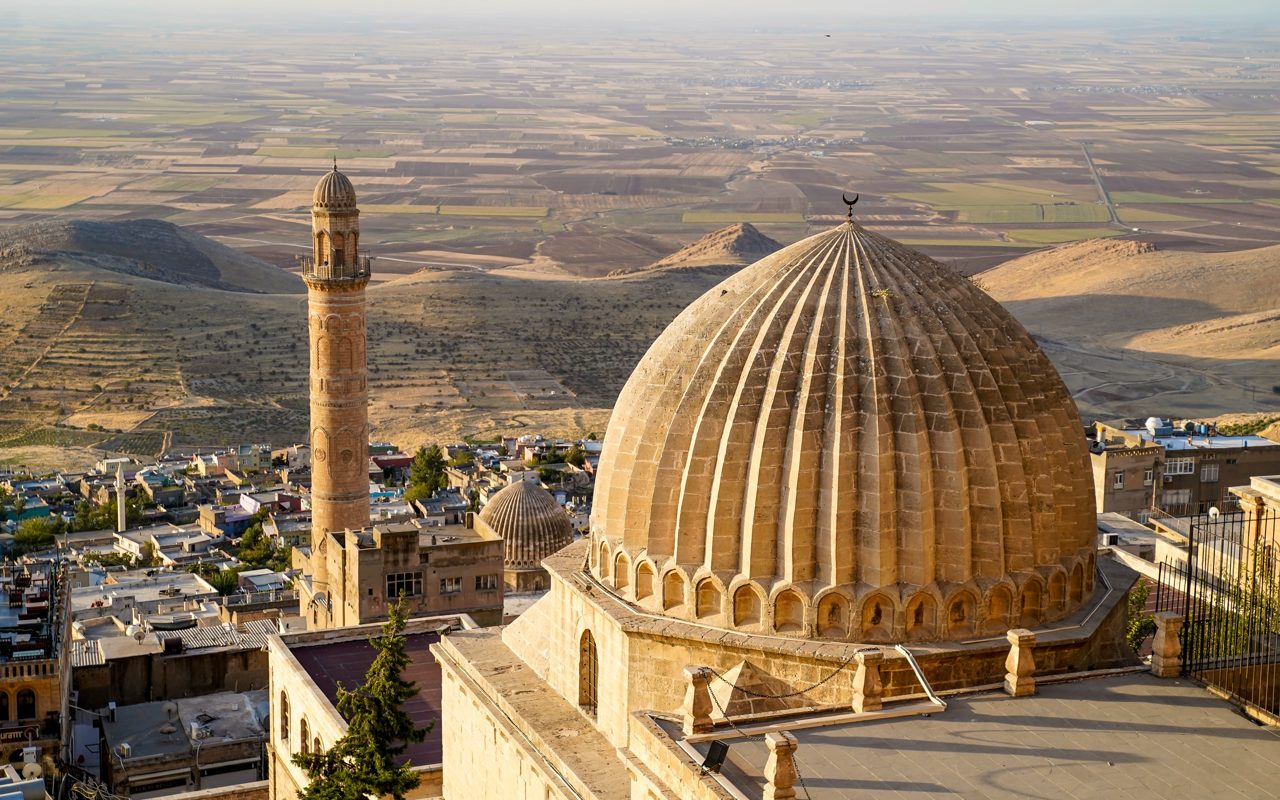
- Moving to Mardin City
- Kasimiye Madrasah
- Free time in Mardin
- Lodging in Mardin City. Video
- Breakfast in the hotel
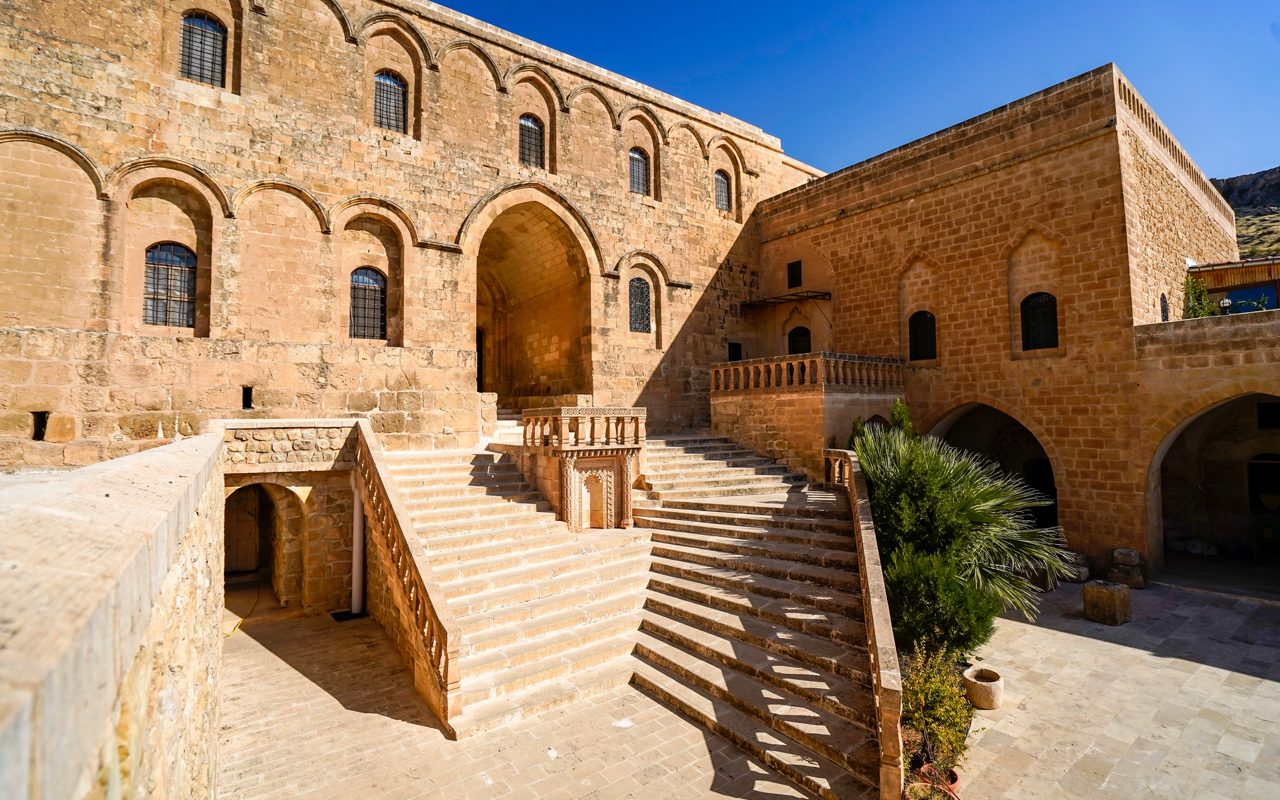
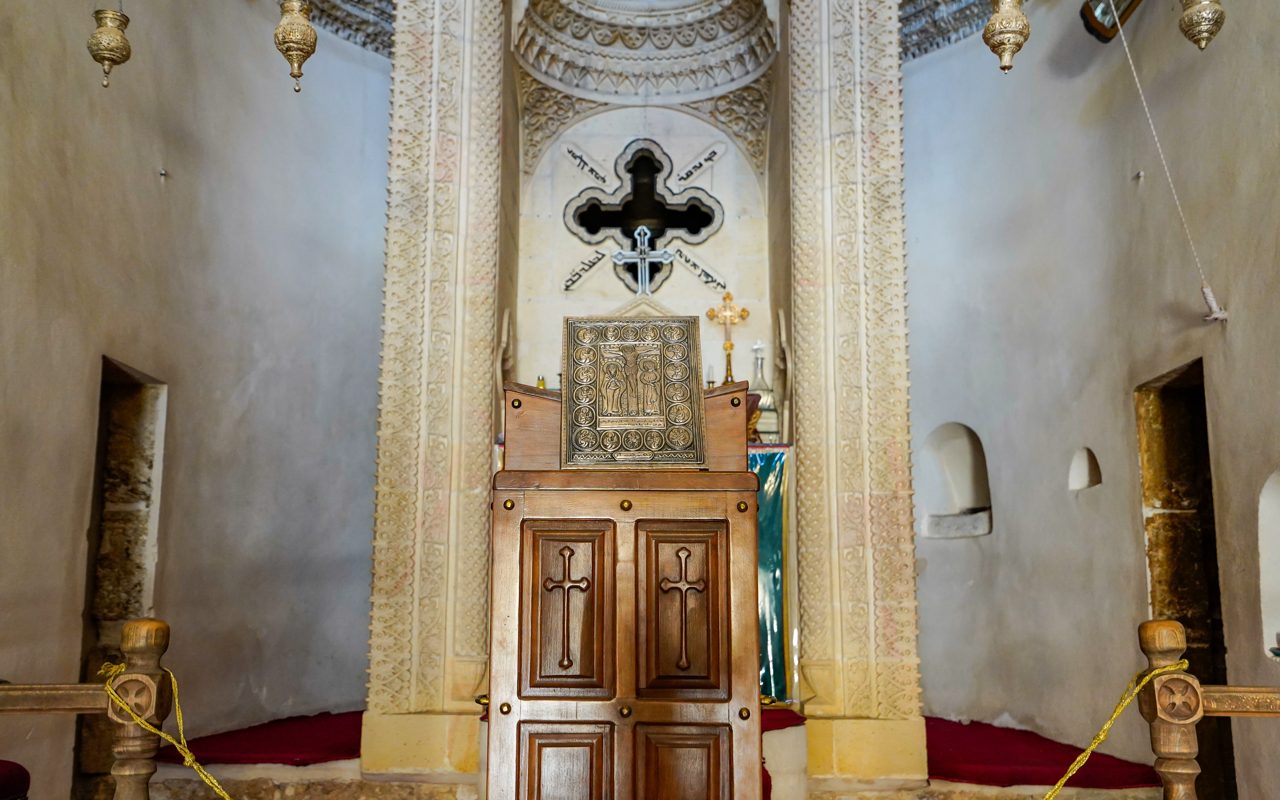
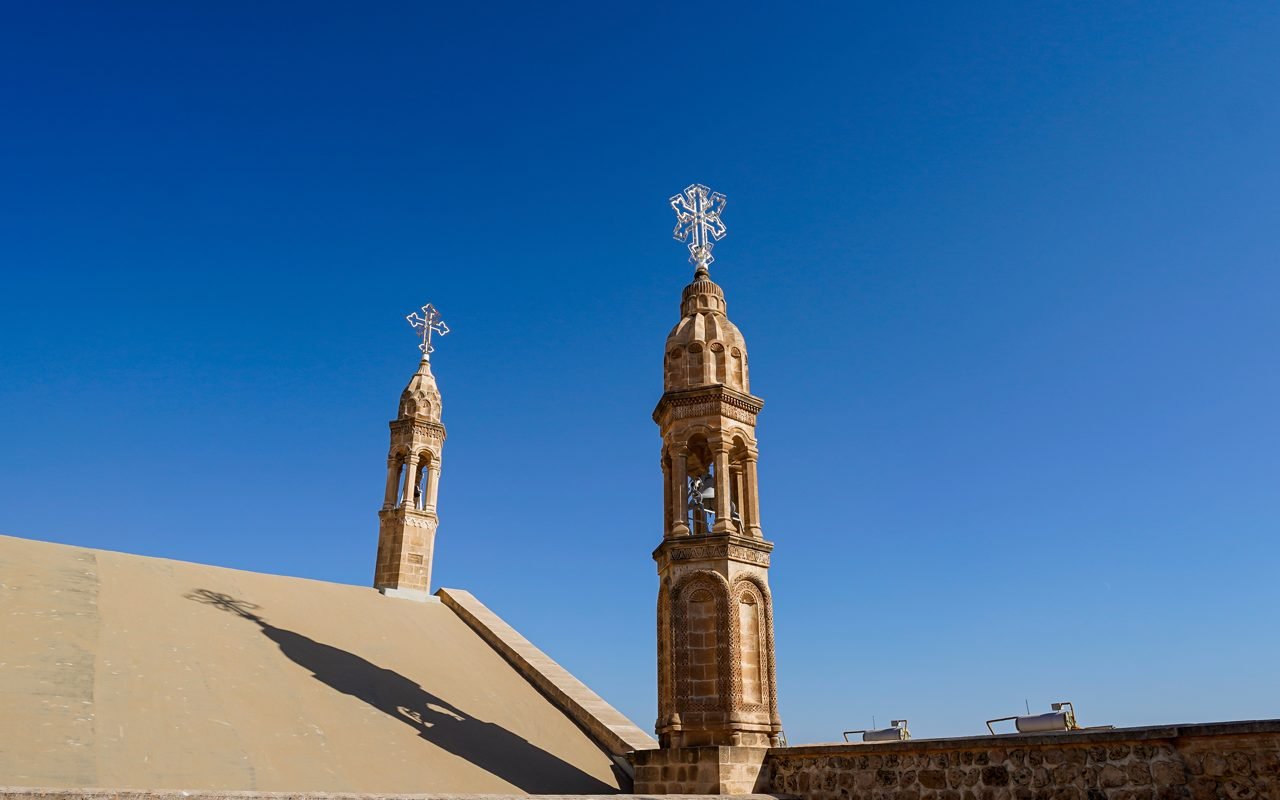
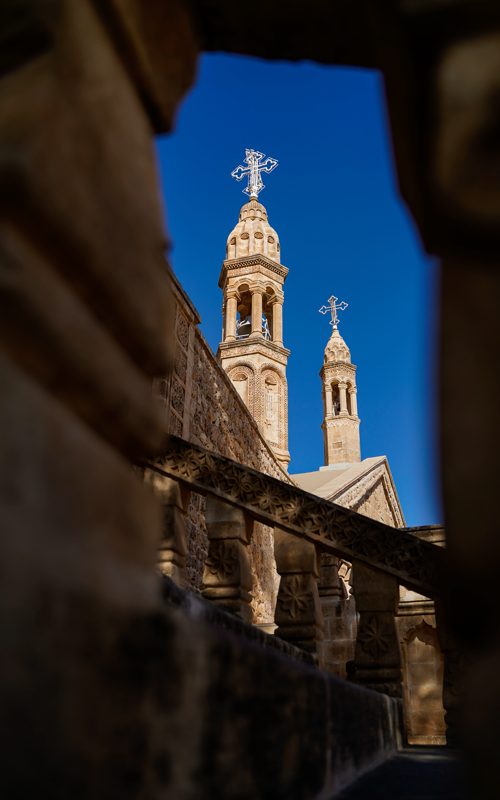
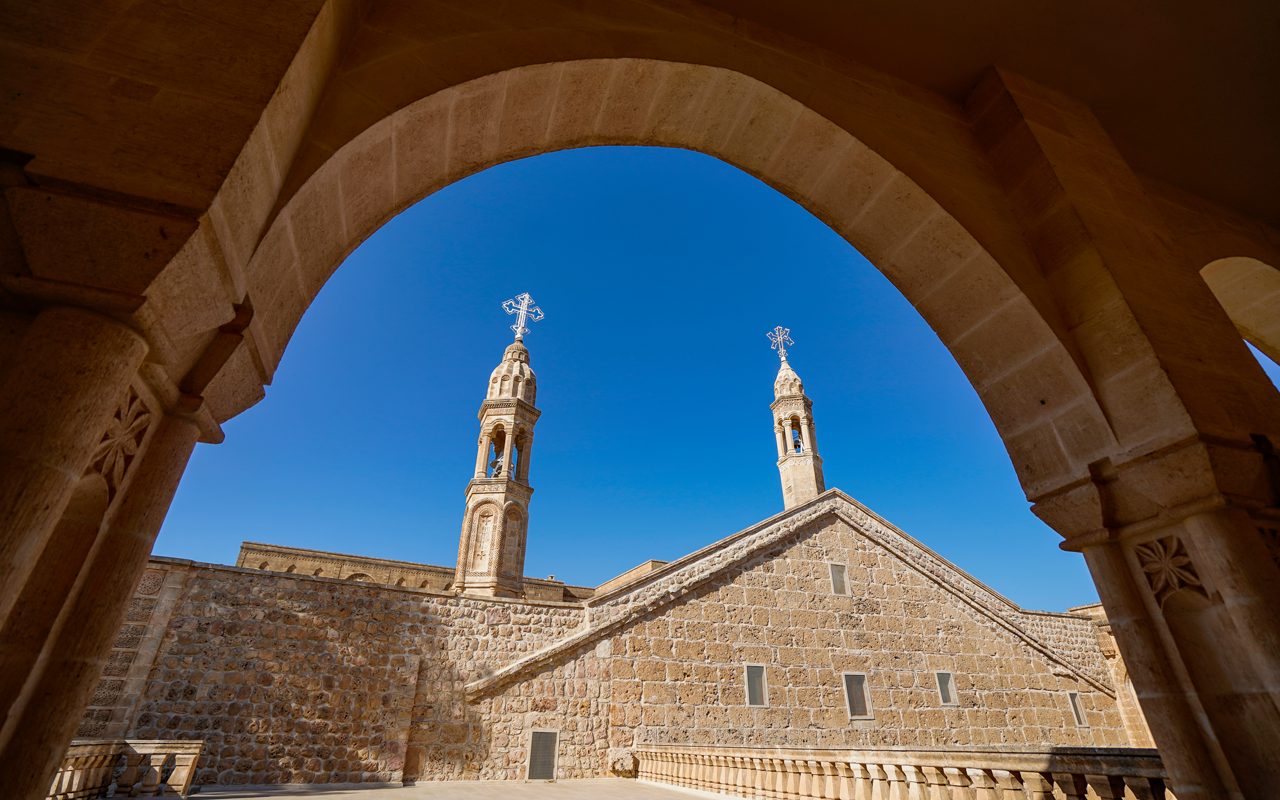
- Deyuril Zafaran monastery
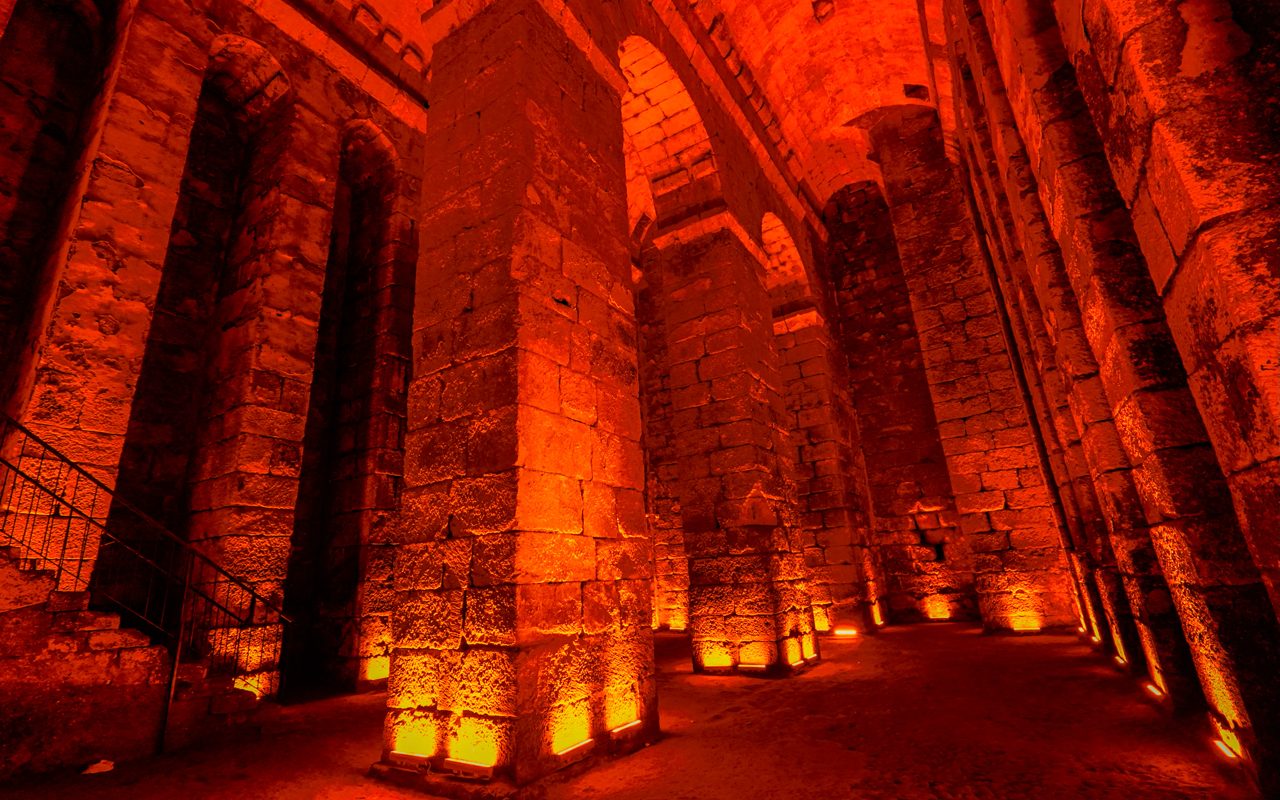
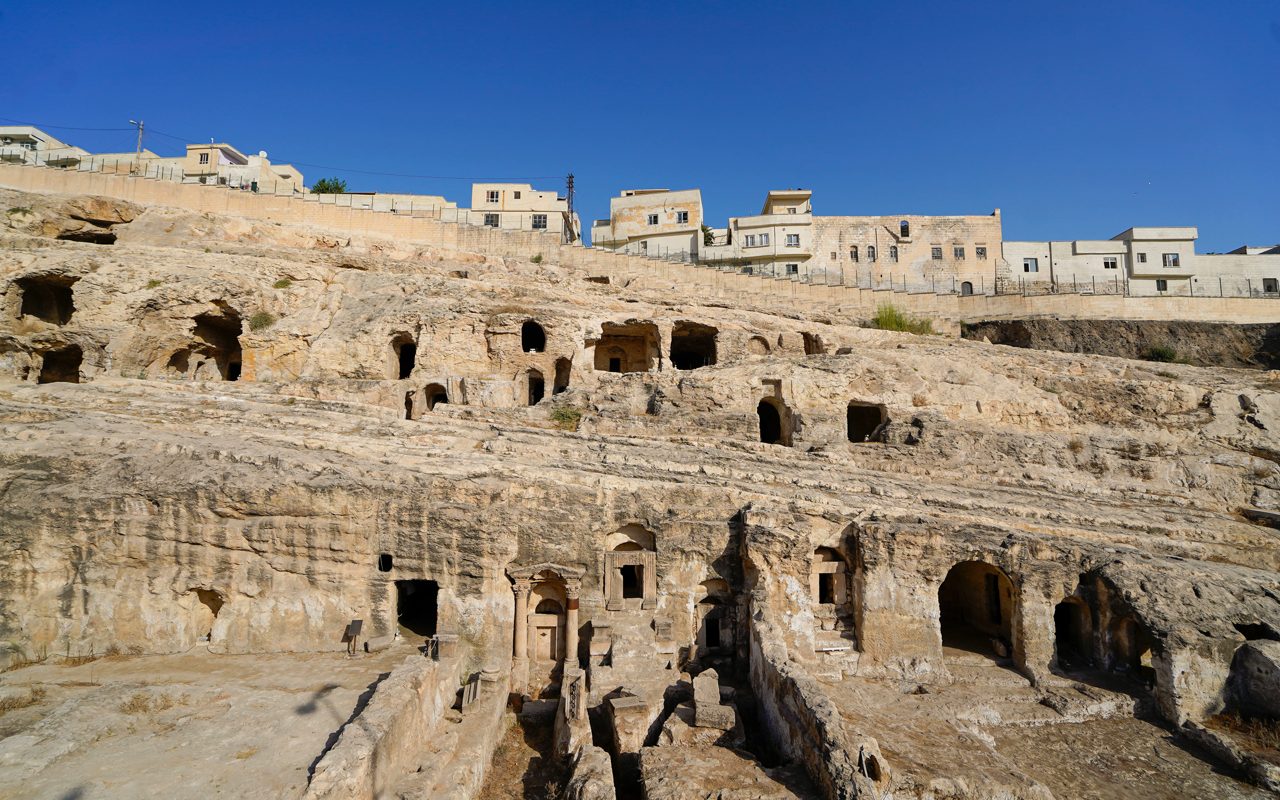
- The ancient city of Dara
- Mor Gabriel Monastery
- Old town Midyat
- Guest House
- Lodging in Mardin City
- Breakfast in the hotel
- Departure from Mardin Airport
- Arrival in Istanbul Airport
What is included in this amount ?
- Accommodation in a 5 * and Boutique hotel 7 nights
- Breakfast and Dinner are included in the hotel
- All transportation according to the schedule. Air-conditioned comfortable vehicle – just for our group.
- All entrance tickets according to the program.
- Domestic flight tickets
- Professional Guide
*** The price is per person for accommodation in a double room. For single accommodation, a difference of 70 euros per night is charged
The price does not include:
- Arrival and return tickets to Istanbul
- Insurance – highly recommended.
- Optional tours
- All drinks
- Personal expenses
- Entry Visa
- Tips for drivers and guides (5 people and less than 10 € / person / day; 6-9 people 8 € / person / day; 10 people and above 5 € / person / day)
Optional tours
- The Pearls of Istanbul” – 70 Euro (per person)
- Historical Sightseeing – 50 Euro (per person)
- Cruise at Bosporus – 40 Euro (per person
***If the price is changed, the announcement during the trip shall prevail.
“The Pearls of Istanbul”
Dolmabahçe Palace Çelebi writes that Yavuz Sultan Selim had a mansion built on the present site of Dolmabahçe Palace. During the reign of Ahmet I, the space was filled with stones and the pavilion was enlarged. The name of the palace and settlement comes from here. In the 19th century, II. Mahmut has a new palace built in the same place. The current structure was built by Abdulmecit I in 1842 by Karabet Balyan. The palace, whose construction continued until 1853, is the place where Abdülmecit lived, as well as the place where he saw official works. After Abdülmecit, his brother Abdülaziz also lived in this palace. Dolmabahçe Palace, which was the Presidential Residence of Atatürk in Istanbul after the proclamation of the Republic, has a special importance in the history of the Republic as it is the place where Atatürk died on November 10, 1938.
Galata Tower, which is considered among the oldest towers in the world and one of the symbols of Istanbul, was included in the UNESCO World Heritage Tentative List in 2013. Galata Tower, one of the most important structures forming the silhouette of Istanbul, was used as a long-term fire watchtower and was named Galata Fire Tower.
Golden Horn –Shape and Sunlight The shape of the Golden Horn really resembles a horn when viewed from above. If you look at the Golden Horn from Pierre Loti hill in Eyüp at sunrise on a spring or summer day, you will witness how it shines like gold.
Cruise at Bosporus, or Bosporus with its historical name (Greek: Βόσπορος, romanized: Bosporos (Ox Passage)), is a strait and international waterway that separates the continents of Asia and Europe and connects the Sea of Marmara and the Black Sea. The Bosphorus generally stretches in the northeast-southwest direction and divides the city of Istanbul into two as the European Side and the Anatolian (Asian) Side. The residential area that spans both sides of the Bosphorus is called the Bosphorus.
Historical Sightseeing – Sultanahmet Square
Topkapi Palace is the residence of the Ottoman Sultans, the administrative and educational center of the state. Sultan Mehmed II, the conqueror of Istanbul. The Ottoman sultans and the people of the Palace lived in the palace, which was built between 1460 and 1478 by the Ottoman Sultan between 1460 and 1478 and some additions were made over time, until the middle of the 19th century. After the Ottoman monarchy was abolished in 1922, Topkapi Palace was converted into a museum on April 3, 1924, by the order of Mustafa Kemal Atatürk.
Obelisk, Knitted Column and Serpent Column – On the spine of the spina wall, the hippodrome, today stands the Obelisk, the Knitted Column and the Serpent Column. The Obelisk was brought from Egypt, and the Serpent Column was brought from the Temple of Apollo in Delphi. In fact, there were many more artifacts here: works of pagan and Christian beliefs, statues of legendary racers, monuments of emperors, etc.
The hippodrome was originally decorated with bronze, bronze and copper sculptures brought from many places such as Rome, Greece, Aegean Islands, Egypt, but almost all of the works were destroyed during the 57-year Latin occupation. The works were either sold, sent elsewhere, or melted down and used for other purposes.
Hagia Sophia or officially known as Hagia Sophia-i Kebîr Mosque-i Şerîfi, formerly known as Hagia Sophia Church, is a mosque, old basilica, cathedral and museum in Istanbul. It is a basilica planned patriarchal cathedral built by the Byzantine Emperor Justinian I in the old city center of Istanbul between 532-537, and was converted into a mosque by Fatih Sultan Mehmed after the conquest of Istanbul by the Ottomans in 1453. It was converted into a museum with the Decree of the Council of Ministers published in 1934, excavation and renovation works were started and it served as a museum between 1935-2020. In 2020, after the cancellation of the museum status, it gained the status of a mosque again.
The Sultan Ahmet Mosque was built by the Architect Sedefkar Mehmed Ağa on the historical peninsula in Istanbul by the Ottoman Sultan Ahmed I between 1609 and 1617. The mosque is called the “Blue Mosque” by Europeans because it is decorated with blue, green and white Iznik tiles, and because its half domes and the inside of the big dome are also decorated with hand-drawn works predominantly in blue.
Mesopotamia
Throughout history, many civilizations, heroes and inventions have appeared and disappeared. But they have all left traces to a greater or lesser extent. The most famous of these civilizations lived in Mesopotamia. From a historical point of view, Mesopotamia is one of the most valuable geographical regions in the world. To understand history, you must first understand Mesopotamia. Upper Mesopotamia was originally a peripheral part of an ancient civilization. The oldest designations of these lands are “Subartu” (in the middle reaches of the Tigris), “Martu” (Middle and Upper Euphrates). Since the second millennium BC, the territory of Subartu has been known as “Assyria”, the upper Euphrates and its tributary basin had an ethnically diverse population: there were Hurrian states (including Mitani), Amorite communities roamed and Aramaic / Syrian kingdoms functioned. . From the middle of the first millennium BC. it was these lands between Syria and Assyria that came to be called Mesopotamia (the Arabic analogue is Jazeera); later Mesopotamia and to this day began to be called the entire north of the region, while the south – Babylon. Despite the fact that Roman geographers (beginning with Pliny the Elder) first began to include Babylonia within Mesopotamia, the common common name of the region appeared only in recent centuries.
Istanbul
The city of dreams, the city of the soul, the city that dreams – this is how Istanbul is called by those who have seen it at least once. Solemn and sad, noisy and cozy, dynamic and majestic – it managed to retain all the uniqueness of its character. Indeed, Istanbul is not like other cities. It has a charm that belongs only to it. Everyone who has ever set foot on its land has left a piece of his soul here. Istanbul is a city with a thousand-year history, the capital of three empires, heir to the masterpieces of architecture, a city that has survived hundreds of generations, survived after numerous sieges and robberies, wars and natural disasters. A secret witness to love affairs, friendship and betrayal, glory and shame. Istanbul is the seagulls circling over the minaret of the Blue Mosque. The majestic Aya Sophia, linking different religions and nations with invisible threads. This is Topkapi Palace, towering on a hill, which raised more than 20 sultans within its walls and gave its contemporaries a valuable cultural heritage. This is Kapali Charshi – a live location of the former era and the largest covered market in the world. Endless shopping arcades, colorful goods, aromas of herbs and spices … Istanbul is the ringing of a red historic tram crawling along Istiklal, the hum of ferries crossing the Bosphorus, it is a chaos of polyphony, among which everyone will find an island of peace and tranquility. This is the Galata Tower with an observation deck, to which thousands of tourists flock to look at the splendor of the city from above and drink a glass of fragrant Turkish tea with a rich ruby color. Istanbul is the taste of crispy simits generously sprinkled with sesame seeds, the aroma of freshly brewed coffee, enveloping cozy picturesque streets. This is a gastronomic paradise right in the middle of the streets. Ruddy juicy doner or grilled mackerel in a crispy bun, honey baklava or viscous delicious ice cream … Istanbul is a city where you can find everything that modern life has to offer. An abundance of restaurants and cafes with stunning views of the city, boutiques and malls,